Recognizing the Types of Foreign Presents: Just How to Efficiently Report Them
Recognizing international presents is vital for companies traversing complicated reporting requirements (report a foreign gift). These gifts can vary significantly, falling under non-monetary and financial groups. Each kind offers distinct difficulties in evaluation and compliance. Organizations has to understand the moral and legal ramifications entailed. Reliable monitoring and reporting demand clear standards and normal training. The concern continues to be: just how can organizations guarantee they meet these obligations while preserving transparency and responsibility?
Definition and Summary of Foreign Gifts
International presents are advantages or things gotten from foreign entities, which can include federal governments, individuals, or organizations. These gifts may take numerous types, including concrete items, services, or various other types useful that hold value. The significance of international gifts typically depends on their potential to influence relationships in between people, nations, or companies. They can be a way of diplomacy, showing goodwill or fostering participation. The acceptance of such gifts increases ethical and lawful factors to consider, specifically relating to openness and potential disputes of passion. Receivers should browse intricate policies that regulate the coverage and approval of international gifts, making sure conformity with both domestic and worldwide laws. Comprehending the definition and implications of foreign gifts is important for companies and individuals to preserve stability and liability in their ventures with foreign entities. This foundational understanding establishes the stage for a deeper exploration of the various kinds of international presents and their coverage demands.
Sorts Of Foreign Gifts: Monetary vs. Non-Monetary
Gifts from abroad can be classified into 2 main kinds: financial and non-monetary. Monetary presents include direct monetary contributions, such as cash or checks, which can greatly affect the recipient's financial standing. These presents are frequently simple to value and record, as they entail clear financial amounts.
Non-monetary gifts, on the various other hand, include concrete items such as clothing, art work, or keepsakes, in addition to intangible offerings like services or experiences. While these gifts may not have a straight economic effect, they can hold substantial nostalgic or social value. Valuing non-monetary presents can be a lot more complicated, as it typically needs assessing the item's market well worth or value to the recipient. Comprehending these two groups is vital for accurate coverage, guaranteeing conformity with guidelines concerning international gifts and keeping openness in financial ventures.
Legal and Moral Implications of Finding Foreign Present
While the appeal of getting gifts from abroad may appear innocuous, the lawful and ethical implications connected with such transactions can be considerable. Receivers should browse complex guidelines that control the acceptance of international presents, as failure to do so may cause legal repercussions, consisting of permissions or fines. Fairly, the approval of presents from international entities can result in understandings of preference or conflicts of passion, particularly for individuals ready of power or public trust fund. Such perceptions can undermine the stability of organizations and deteriorate public self-confidence. In addition, the potential for international impact raises issues relating to national safety and security and the stability of decision-making processes. Because of this, individuals should very carefully take into consideration not just the validity of approving international gifts but also the wider implications on their track records and the establishments they stand for. Inevitably, thoughtful consideration is crucial to keep both lawful conformity and ethical criteria.
Coverage Needs for Foreign Gifts
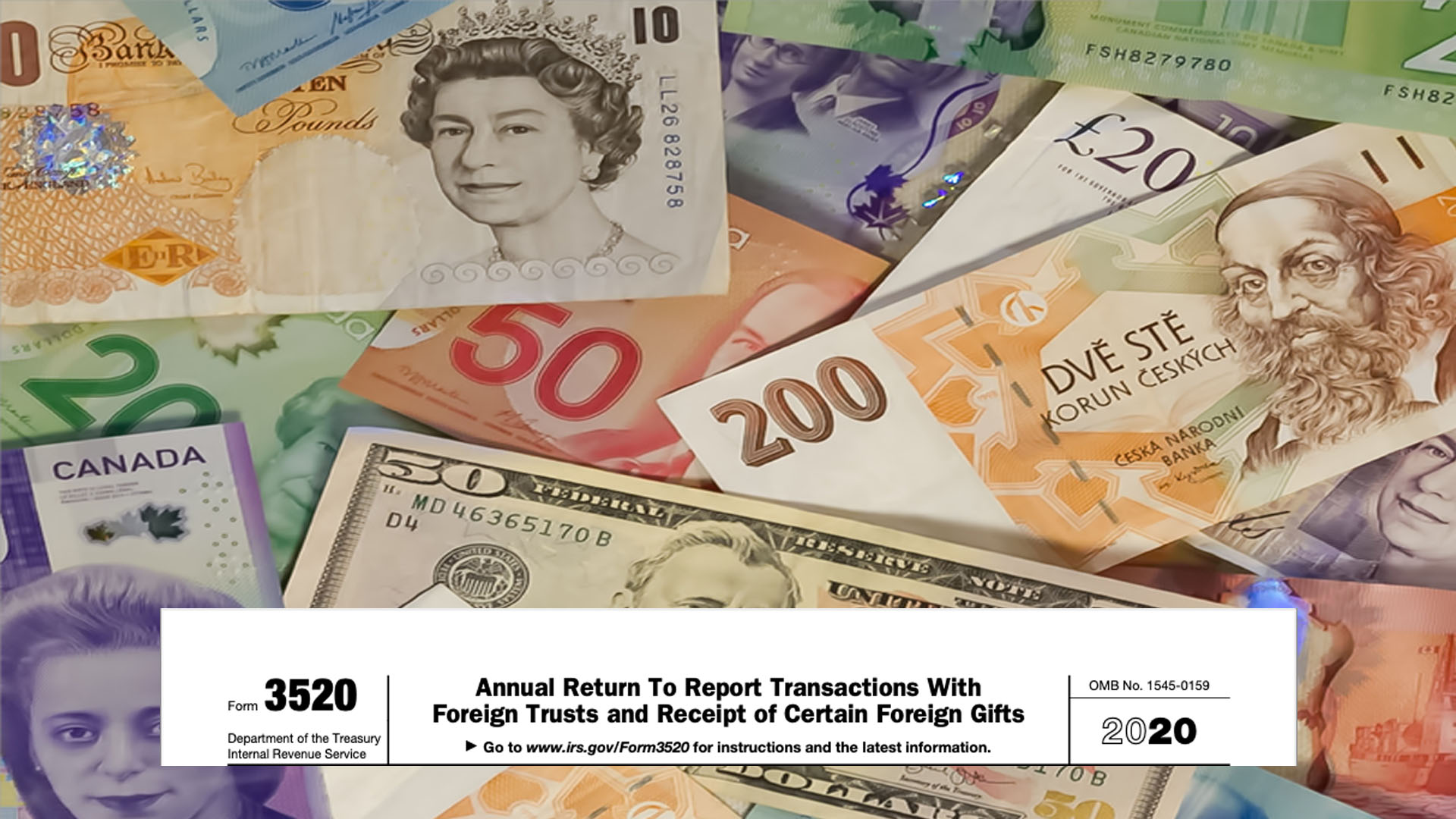
Comprehending the coverage requirements related to obtaining foreign gifts is essential for people in numerous sectors, specifically those in government and public solution. These requirements are developed to advertise transparency and avoid disputes of passion. Generally, receivers have to report any foreign presents going beyond a defined monetary threshold, which differs by jurisdiction.
Documents is important, as recipients should offer information such as the value, nature, and source of the gift, in addition to the day it was received. Lots of companies call for receivers to submit their records within a marked duration, often within 1 month of invoice.

Failure to conform with these reporting responsibilities can cause serious repercussions, including legal fines and damages to one's expert credibility. As a result, understanding the specific regulations applicable to one's placement and territory is necessary for ensuring conformity and preserving ethical criteria in public solution.

Ideal Practices for Handling International Presents in Organizations
To effectively handle international gifts within companies, developing clear policies and procedures is vital. Organizations should begin by defining what makes up an international present and identifying the relevant reporting needs to ensure click conformity with lawful obligations. Regular training sessions can enhance team awareness of these policies, promoting a society of openness and persistance.
Furthermore, companies must implement a hop over to these guys centralized radar to record all international presents received, including information such as the source, worth, and objective. report a foreign gift. This system ought to promote regular evaluations and audits to analyze compliance with well-known policies

Often Asked Concerns
Can Foreign Present Influence Service Choices or Relationships?
International presents can notably affect service decisions and relationships, frequently creating regarded responsibilities or biases. Such impacts may influence settlements, partnerships, and total business ethics, possibly causing disputes of passion or reputational dangers.
What Are the Penalties for Falling Short to Report Foreign Present?
Failing to report international presents can lead to substantial penalties, including fines, corrective action, or lawful consequences. Disobedience undermines openness and could damage reputations, highlighting the importance of adhering to reporting laws.
Are There Certain Nations With Stricter Gift Laws?
Particular countries, like China and Saudi Arabia, impose more stringent policies on gifts, mirroring cultural standards and governmental oversight. These policies may affect foreign interactions and necessitate cautious consideration by people engaging in cross-border partnerships.
Exactly How Can Organizations Educate Employees Regarding Foreign Present Policies?
Organizations can educate workers concerning international gift policies through routine training sessions, comprehensive handbooks, and clear interaction networks. Involving workshops and real-life scenarios help strengthen understanding, making sure conformity and awareness of potential ethical problems.
What Paperwork Is Essential for International Present Coverage?
Documents for international present reporting normally includes an in-depth summary of the present, its worth, the contributor's info, objective of the present, and any kind of relevant plans or guidelines regulating the approval and reporting of such gifts.
Foreign presents are advantages or products received from international her explanation entities, which can consist of people, federal governments, or organizations. Recipients need to browse complex guidelines that control the coverage and acceptance of international presents, making sure conformity with both international and residential regulations. Understanding the meaning and ramifications of foreign gifts is necessary for individuals and companies to keep stability and accountability in their transactions with international entities. Recipients need to browse intricate laws that regulate the acceptance of international gifts, as failing to do so may result in lawful effects, consisting of fines or permissions. Stopping working to report foreign presents can result in substantial penalties, consisting of fines, disciplinary activity, or lawful consequences.